Showing posts with label Post modernism. Show all posts
Showing posts with label Post modernism. Show all posts
Monday, 8 April 2013

Monday, 11 March 2013
David bowie post modern
David Bowie could be considered post modern because of the way he has created an identity for himself.
David Bowie's imperial period (1970-1980) is often cited as a breakthrough of post-modern ideas into popular music.
Musical genres, the vast range of lyrical influences, the endless jumble of subject matter.
He once described himself as a musical xerox machine and a pseudo-intellectual, someone who doesn't innovate himself but recombines other people's innovations.
intertextuality references in songs

David Bowie's imperial period (1970-1980) is often cited as a breakthrough of post-modern ideas into popular music.
Musical genres, the vast range of lyrical influences, the endless jumble of subject matter.
He once described himself as a musical xerox machine and a pseudo-intellectual, someone who doesn't innovate himself but recombines other people's innovations.
intertextuality references in songs
David Bowie 'The next day'
'The Next Day' will be Bowie's first album of new material in ten years since 2003.
After having already shocked fans with the news of a new album on his birthday, he then again surprised them with a free streaming of the album via iTunes days before its official release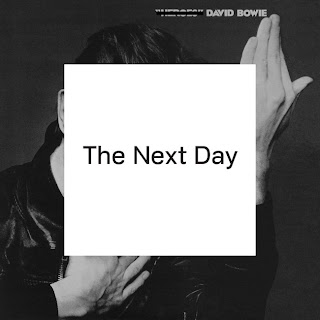

The Next Day is the twenty-fourth studio album by English musician David Bowie
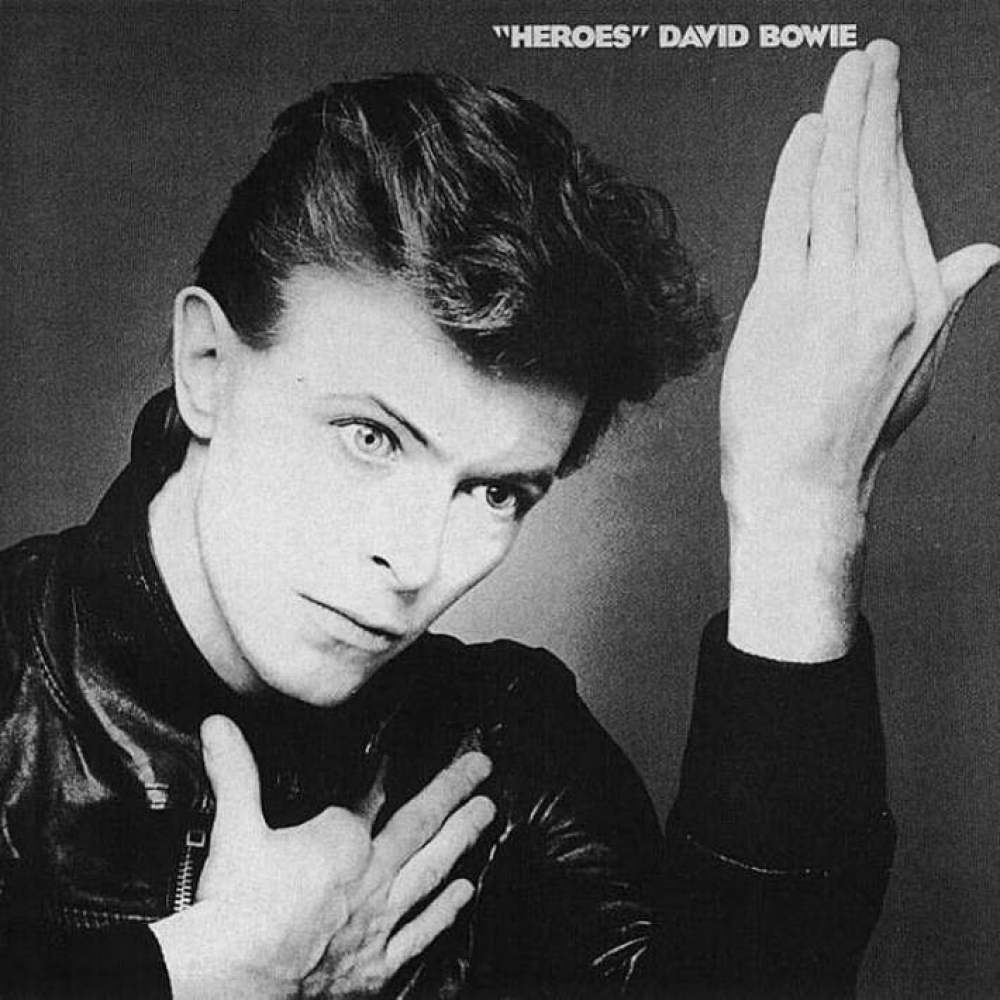
The cover art for the album is an adapted version of Bowie's 1977 album, "Heroes"(the cover below)
This is an example of bricoloage, taking something existing and altering it to become something new.
No guest artists were used to record the album, although Bowie did use some of the musicians he's worked with in the past, including Earl Slick, who recorded his parts for the album in July 2012.
Gail Ann Dorsey (bass guitar) and Sterling Campbell (drums), who have both worked with Bowie since the 90s, also contributed to the album
background of david bowie
- David Robert Jones (born 8 January 1947)
- known by his stage name David Bowie
- English musician, actor, record producer and arranger
- Bowie has been a major figure in the world of popular music for over four decades, and is renowned as an innovator, particularly for his work in the 1970s.
- He is known for his distinctive voice as well as the intellectual depth and eclecticism of his work.
- He is also known for having a different theme/genre for every album.

Monday, 4 March 2013
Notes on pomo in DRIVE
Hero -
Antihero elements, Getaway driver, Saves the girl but is the bad guy/ brutal killer, Psycho rage
Fairy-tale elements
Characters expected - hero, villain, princess, Fighting ‘bad guys’, Following on a journey , The villains are killed
Non fairy-tale elements
The ending- they don’t end up together, Nothing noble about the style of fighting , Violence in the film, Gruesome but believable in places, Range of weapons
The city (setting) LA
Not many people around , In driving scenes roads seem empty, References to grand theft auto in certain shots of the city
Music
Soundtrack, 80’s music , Italian opera song ( doesnt fit the scene) , ‘hero’ song towards the end, Romantic music in the lift- self reflexitive (elevator lights change which shows it’s a film)
Ending
Not satisfactory ending for viewers , He doesn’t take the money or get the girl, Audience wanted it to be more conclusive
Dialogue
Very little dialogue , The kid barely speaks throughout the film, Monotone voices , Reference to spaghetti western films

Wednesday, 27 February 2013
Thursday, 21 February 2013
Post modernist exam question
In what ways can Inglourious Basterds be considered postmodern? (2000 words)
Postmodern elements can be identified in the film right from the begining, the film is labelled a war film set during world war 2, the film doesn't portray typical conventions you would expect to be posed in a war film, all of the extra features Tarantino works into his film could be considered 'post modern' to add humor and his own personal stamp.
Tarantino opens the film with ‘once upon a time’ he then uses chapters throughout the film ‘chapter 1’ these are both Fairy-tale elements which constructs hypertextuality in the film, although the film has a setting and date being set around World War Two, Tarantino straight away introduces fiction into the film from the opening scene reminding the audience that the film isnt real.
In chapter 1 Tarrentino creates the illusion of the house but shows the audience clear signs that it isn’t real, this is hyperalility, it shows a shot of Hans Landa scanning the floor boards showing no ceiling but once the camera changes to exposing the ceiling, it creates a clear statement by taking the realism out of the film as the audience are starting to be drawn into the film, a post modern technique.
Ingloriuos basterds is represented as a war film although Quentin Tarantino doesn’t follow the typical conventions, he uses an intense amount of dialogue in the film and most of the dialogue isn’t relevant to the war, this doesn’t paint the picture or create a realistic representation of war. Compared to films such as ‘Saving Private Ryan’ which doesn’t include half the dialogue and contains a lifelike representation of war by including convincing sounds effects of battle and convincing and chaotic setting.
Tarantino throws in amusing and gruesome scenes where he feels like it creating an interesting viewing experience for audiences. Another post modern element i recognize in the dialogue is the use of languages, a mixture of languages are used in the vast amounts of dialogue English French and German this prolongs the breaks between the graphic violence creating more suspense.
Yellow subtitles and yellow text introducing characters are seen in the film are something typical to Tarantino’s style in his films; this is something distinctive to him and allows people to recognise that his work. The subtitles also create a reference back to his other which is a way of him promoting and referring back to the audience.
Intertexual references can be recognized throughout the film, Features in Inglourious basterds can be compared to old spaghetti western films, He links to this genre in the way he frames the shots to produce and builds tension between characters in scenes, before he includes the action. This ‘standoff’ type technique can be seen in films such as ‘the good the bad and the ugly’ There is also another reference to spaghetti western films in the soundtrack used in the bar scene. There is a reference to Cinderella, when Col. Hans Landa discovers a shoe and then matches it to Bridget Von Hammersmark's foot. These postmodern references probably are only really recognised by a literate audience.
Interesting music has been used through the film creating references to other media texts, the music. There are many examples of postmodern choices of music one being David Bowie song which was released long after the film was set in world war two, this would be considered post modern.
Tarantino always uses an interesting mix of actors in his films creating enthusiastic performances The characters are played in an over the top manor using exaggerated speech and accents, for example Brad Pitt who plays in the film holds an exaggerated Tennessee accent throughout the majority of the film to create humour. The character Hitler is played very over the top and conforms to stereotypical characterization adding to the comedy. Samuel L Jackson also features in the film during a voice over.
Tarantino normally credits himself a cameo in his films, in Inglourious basterds he only features in the scene where it is his hands that are filmed strangling; this could be considered a post modern trait. Something else Individual to Tarantino is how he somehow includes his foot fetish in majority of his films, this adds his personality into his work.
Postmodern elements can be identified in the film right from the begining, the film is labelled a war film set during world war 2, the film doesn't portray typical conventions you would expect to be posed in a war film, all of the extra features Tarantino works into his film could be considered 'post modern' to add humor and his own personal stamp.
Tarantino opens the film with ‘once upon a time’ he then uses chapters throughout the film ‘chapter 1’ these are both Fairy-tale elements which constructs hypertextuality in the film, although the film has a setting and date being set around World War Two, Tarantino straight away introduces fiction into the film from the opening scene reminding the audience that the film isnt real.
In chapter 1 Tarrentino creates the illusion of the house but shows the audience clear signs that it isn’t real, this is hyperalility, it shows a shot of Hans Landa scanning the floor boards showing no ceiling but once the camera changes to exposing the ceiling, it creates a clear statement by taking the realism out of the film as the audience are starting to be drawn into the film, a post modern technique.
Ingloriuos basterds is represented as a war film although Quentin Tarantino doesn’t follow the typical conventions, he uses an intense amount of dialogue in the film and most of the dialogue isn’t relevant to the war, this doesn’t paint the picture or create a realistic representation of war. Compared to films such as ‘Saving Private Ryan’ which doesn’t include half the dialogue and contains a lifelike representation of war by including convincing sounds effects of battle and convincing and chaotic setting.
Tarantino throws in amusing and gruesome scenes where he feels like it creating an interesting viewing experience for audiences. Another post modern element i recognize in the dialogue is the use of languages, a mixture of languages are used in the vast amounts of dialogue English French and German this prolongs the breaks between the graphic violence creating more suspense.
Yellow subtitles and yellow text introducing characters are seen in the film are something typical to Tarantino’s style in his films; this is something distinctive to him and allows people to recognise that his work. The subtitles also create a reference back to his other which is a way of him promoting and referring back to the audience.
Intertexual references can be recognized throughout the film, Features in Inglourious basterds can be compared to old spaghetti western films, He links to this genre in the way he frames the shots to produce and builds tension between characters in scenes, before he includes the action. This ‘standoff’ type technique can be seen in films such as ‘the good the bad and the ugly’ There is also another reference to spaghetti western films in the soundtrack used in the bar scene. There is a reference to Cinderella, when Col. Hans Landa discovers a shoe and then matches it to Bridget Von Hammersmark's foot. These postmodern references probably are only really recognised by a literate audience.
Interesting music has been used through the film creating references to other media texts, the music. There are many examples of postmodern choices of music one being David Bowie song which was released long after the film was set in world war two, this would be considered post modern.
Tarantino always uses an interesting mix of actors in his films creating enthusiastic performances The characters are played in an over the top manor using exaggerated speech and accents, for example Brad Pitt who plays in the film holds an exaggerated Tennessee accent throughout the majority of the film to create humour. The character Hitler is played very over the top and conforms to stereotypical characterization adding to the comedy. Samuel L Jackson also features in the film during a voice over.
Tarantino normally credits himself a cameo in his films, in Inglourious basterds he only features in the scene where it is his hands that are filmed strangling; this could be considered a post modern trait. Something else Individual to Tarantino is how he somehow includes his foot fetish in majority of his films, this adds his personality into his work.
Monday, 14 January 2013
Remix/ remade song
the original song by Bill medley and Jenifer Warnes featuring in dirty dancing (1987).
Black Eyed peas song remake/remix using the song 'time of my life' (2010).
Paradox
Paradox can prove to be very revealing about human nature and the way that we speak. At the most basic level, a paradox is a statement that is self contradictory because it often contains two statements that are both true, but in general, cannot both be true at the same time.
basic examples of paradox
You can save money by spending it.
I'm nobody.
I'm a compulsive liar- am I lying when I say that?
A rich man is no richer than a poor man.
Nobody goes to that restaurant because it is too crowded.
You shouldn't go in the water until you know how to swim.
basic examples of paradox
Subscribe to:
Posts (Atom)